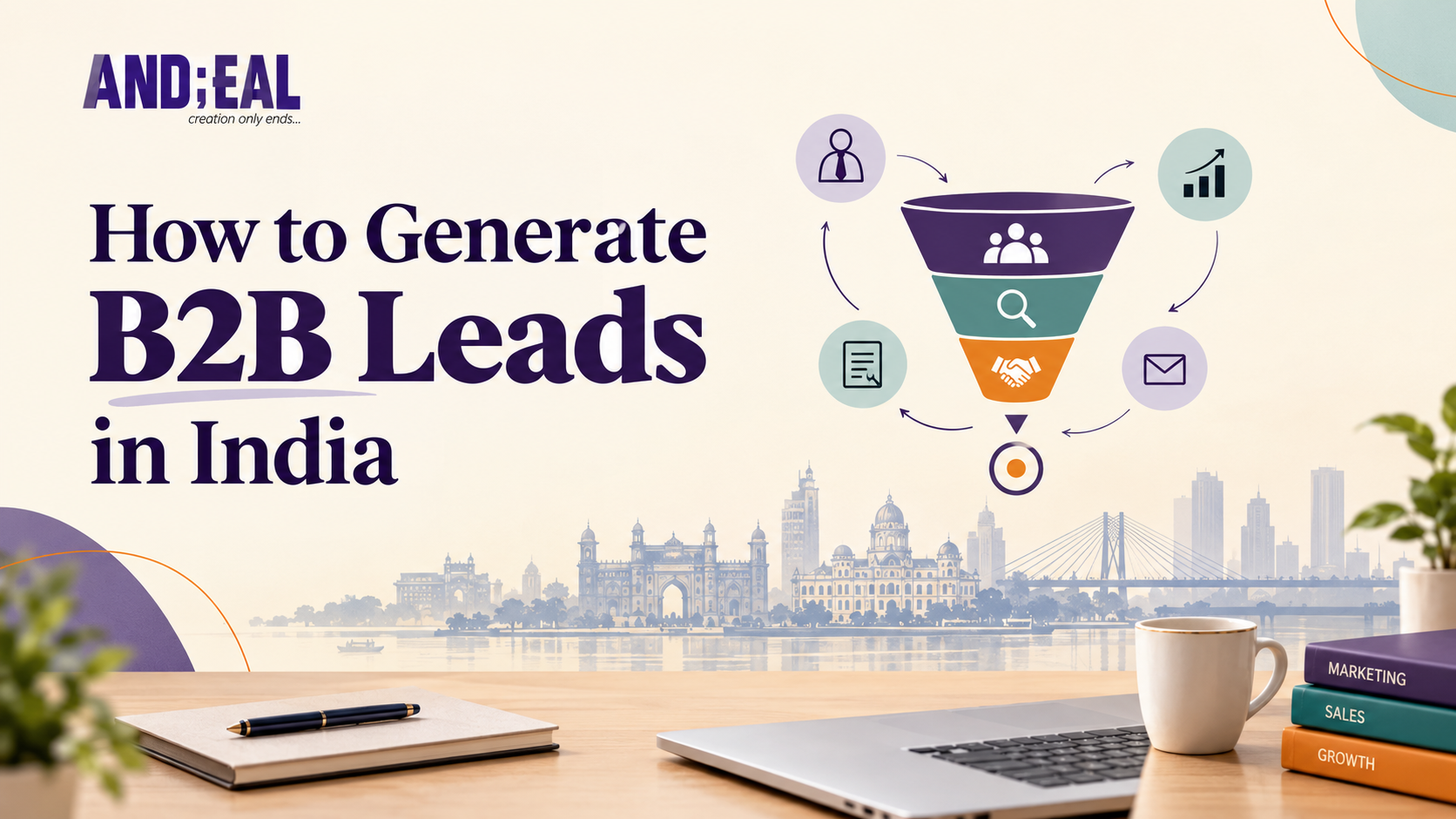
How to Generate B2B Leads in India
How to Generate B2B Leads in India

 admin
adminEvery B2B business owner in India runs into the same question sooner or later. How do you find buyers who are ready to say yes? Whether you run a manufacturing unit in Howrah, a staffing firm in Pune, or a SaaS startup in Bengaluru, working out how to generate B2B leads in India isn’t really about chasing more website traffic. It’s about reaching the right decision-makers at the right moment, with a message that actually solves their problem and earns their trust.
What Is B2B Lead Generation, and Why Does It Matter So Much in India?
B2B lead generation is the process of identifying businesses likely to buy from you, then guiding them towards a genuine enquiry. In India, this matters more than it used to. With over 9 crore MSMEs now registered on the Udyam Registration platform, competition for buyer attention has never been fiercer, and a first-page listing no longer guarantees a phone call.
A steady pipeline of qualified enquiries is what separates businesses that scale from those that stay stuck waiting on referrals and word of mouth alone, especially in sectors where buying decisions involve several people and multiple approvals before a purchase order is signed.
How to Generate B2B Leads in India Through Content and SEO?
Start by answering the exact questions your buyers are already typing into Google. A procurement head searching for a new supplier wants proof, not promises, so your content should lead with specifics rather than adjectives. Getting found is only the first half of the job, though; the page still has to turn that visitor into an enquiry before they close the tab.
>Publish case studies built around real numbers, not vague claims, to earn the click and the trust
>Optimise service pages around buyer intent keywords, such as “industrial suppliers Kolkata” or “bulk order manufacturers India”, so the right person finds the page in the first place
>Place one clear next step on every page, a “Get a Quote” form, a downloadable spec sheet, or a WhatsApp enquiry button, so an interested reader never has to hunt for how to contact you
SEO does the job of bringing the right visitor to your page. The case study or gated resource sitting on that page is what gives them a reason to hand over their details there and then, rather than bookmarking it and never coming back. Skip either half, and the other does very little on its own.
Which Digital Channels Actually Work for B2B Lead Generation in India?
LinkedIn remains the strongest single channel for reaching Indian procurement professionals, but it shouldn’t stand alone.
>LinkedIn outreach and thought leadership content, aimed at decision-makers rather than job titles
>Marketplaces such as IndiaMART and TradeIndia, which still drive a large share of enquiry volume for manufacturers and exporters
>WhatsApp Business, now the default channel for quick quotes and follow-ups across Indian SMEs
Email still earns its place, though usually later in the journey, once a prospect has already shown genuine interest elsewhere. Whichever channel you pick first, match the format to how your buyer already behaves online, rather than forcing them onto a channel that suits you.
How Are Indian Government Platforms Changing B2B Buyer Behaviour?
Public digital infrastructure has quietly reshaped how Indian businesses find suppliers. The Government e-Marketplace (GeM) has crossed ₹18.4 lakh crore in cumulative procurement, and industry research from 2026 also indicates that an increasing number of Indian MSMEs are expected to rely more heavily on B2B digital marketplaces in the coming years, reflecting a broader shift towards digital-first procurement and supplier discovery.
If you’re serious about how to generate B2B leads in India today, registering on GeM and similar public procurement platforms is no longer optional for anyone selling to government or enterprise buyers.
What Mistakes Quietly Sabotage B2B Lead Generation in India?
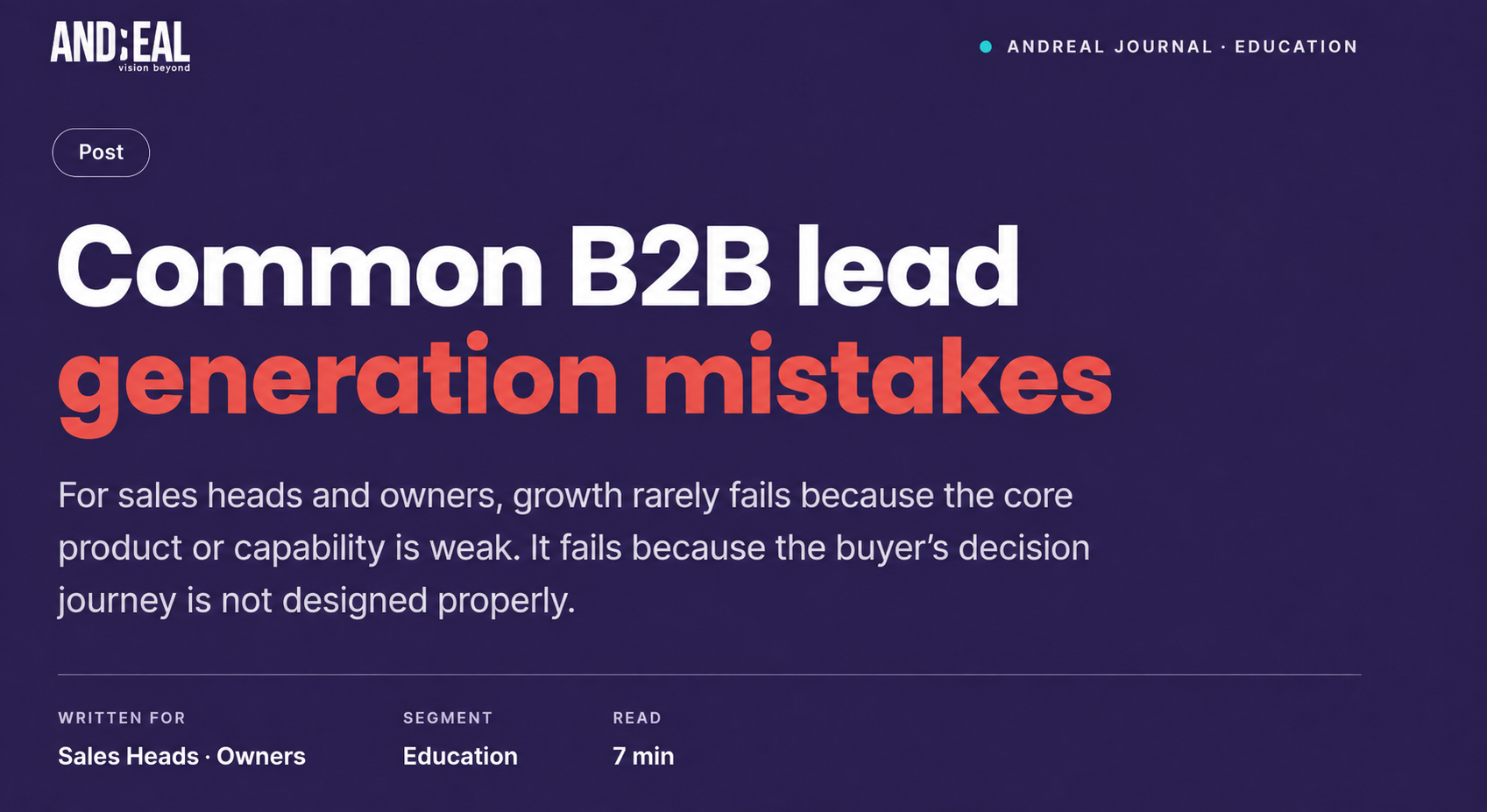
Most businesses don’t lose leads because their product is weak. They lose them because the buyer’s journey feels confusing, slow, or generic.
>Following up once and giving up, when Indian B2B deals often need five or more touchpoints before a decision
>Sending generic pitches that ignore the buyer’s industry, region or scale
>Treating every enquiry the same way, instead of qualifying leads by budget, timeline and urgency
Fix these three habits, and your conversion rate will move before your traffic even does, often within a single quarter of tightening the follow-up process alone.
How Do You Turn B2B Leads into Long-Term Clients in India?
Generating enquiries is only half the job. Indian B2B buyers consistently favour suppliers who respond fast, quote clearly and follow up without being pushy. Build a simple lead-scoring process, aim to respond within hours rather than days, and keep nurturing leads that aren’t ready yet with genuinely useful content instead of sales pressure.
Mastering that discipline, and how to generate B2B leads in India, stops feeling like a puzzle and starts working as a repeatable, predictable system your whole team can rely on.
None of this needs to happen overnight, and it certainly doesn’t need to happen alone. If you’d rather focus on running the business than chasing enquiries, a partner who understands how Indian B2B buyers actually think, search and decide can build this system for you, so the pipeline stays full and consistent without the constant guesswork.